- Conductive testing cloth for medical use
more
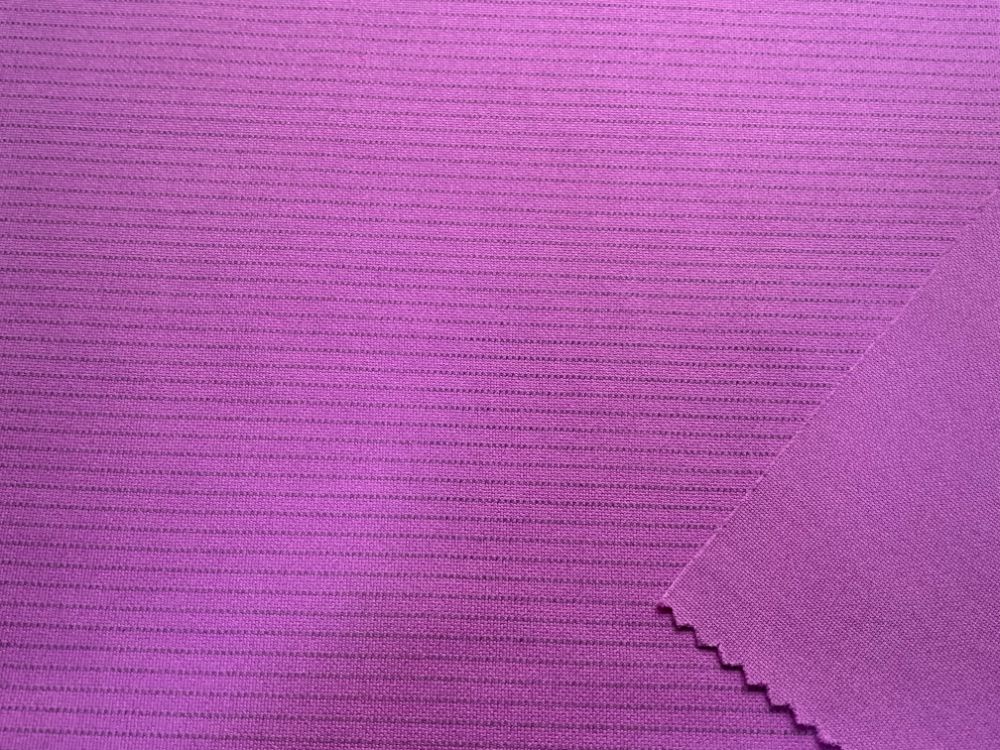
Medical conductive body function testing fabric is a conductive material designed for body function testing or monitoring, which can usually monitor physiological signals through contact with the skin.
It contains conductive fibers or conductive materials that can be used to measure the body’s electrophysiological signals, such as electrocardiogram (ECG), electromyogram (EMG), respiratory rate, etc. The main advantages of these conductive fabrics are that they are soft, lightweight, and can provide greater comfort and are more suitable for long-term wear than traditional metal electrodes or hard sensors.
Applications of medical conductive products include :
Electrocardiogram (ECG) : Used to monitor heart activity.
Electromyography (EMG) : Used to detect the electrical activity of muscles.
Respiratory Monitoring : Used to monitor respiratory rate.
Pressure or position sensing : For example, sensing changes in pressure in certain parts of the body.
Medical conductive fabrics are often used in wearable devices such as smart clothing or medical monitoring systems for remote health monitoring or instant diagnosis.
- Anti-electromagnetic wave fabric
more
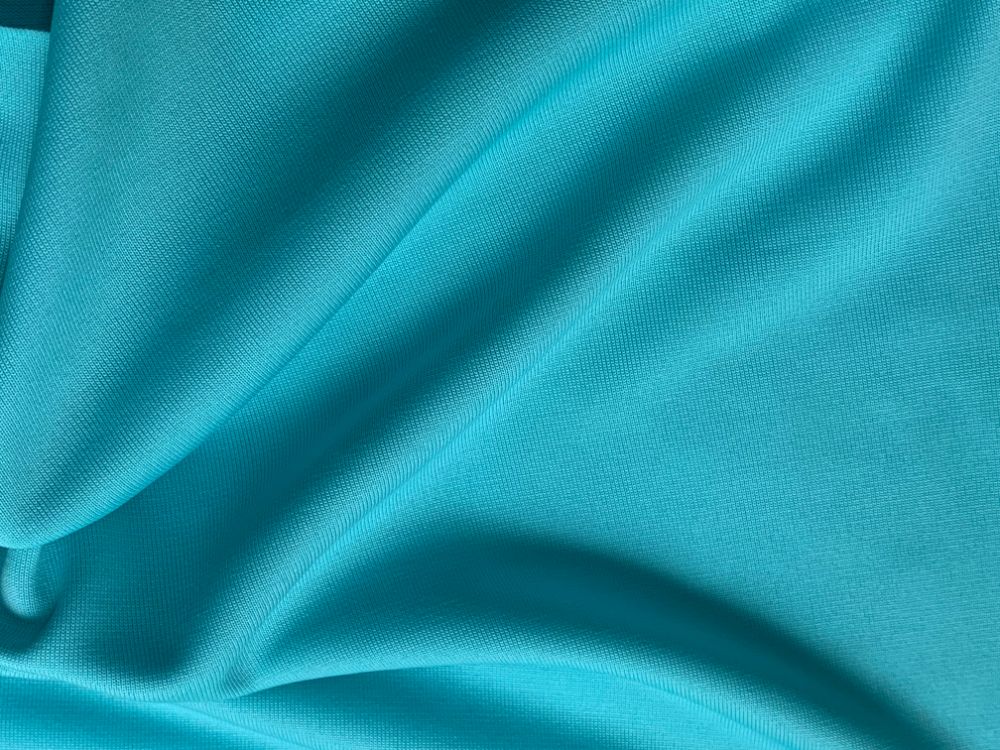
Anti-electromagnetic wave cloth (or electromagnetic shielding cloth) is a special cloth developed to block or reduce the impact of electromagnetic wave radiation.
This kind of fabric is usually made of conductive fibers, metal fibers, or other conductive materials, and can effectively isolate electromagnetic wave interference from the outside or inside. Its main function is to reflect or absorb electromagnetic waves, thereby reducing the impact of electromagnetic waves on the human body, equipment or other sensitive equipment.
Application of anti-electromagnetic wave fabric :
- Protecting the human body :
With the popularization of electronic devices, we are exposed to various electromagnetic waves every day (such as mobile phones, Wi-Fi, Bluetooth devices, etc.). Anti-electromagnetic wave fabrics are often used to make protective clothing (such as anti-electromagnetic wave clothing, hats, gloves, etc.) to reduce the risk of long-term exposure to electromagnetic waves.
- Protection of electronic equipment :
lectromagnetic waves may interfere with or damage some precision electronic equipment (such as medical instruments, wireless communication equipment, etc.). Anti-electromagnetic wave fabric can be used to wrap these devices to prevent electromagnetic interference (EMI).
- Vehicle protection :
In some vehicles, especially electric or self-driving vehicles, anti-electromagnetic wave fabrics can be used to prevent electromagnetic waves from the external environment from affecting the electronic systems and communication equipment in the vehicle.
- Room protection :
In some special cases, it may be necessary to protect the room from electromagnetic waves (for example, in medical diagnosis rooms or high-confidentiality places). Anti-electromagnetic wave fabrics can be used for curtains, screens or to isolate entire rooms to prevent external electromagnetic waves from entering.
Precautions for use :
- Shielding effectiveness :
The effectiveness of anti-electromagnetic wave fabric is affected by fabric density, material type and thickness. Generally speaking, the higher the density and the more metal components, the better the shielding effectiveness.
- Breathability and comfort :
Due to the addition of metal fibers, these fabrics may affect their breathability and wearing comfort. The selection requires a balance between shielding effectiveness and comfort.
- Cleaning and maintenance :
Since the fabric contains metal fibers or conductive materials, the cleaning method needs to be careful to avoid damaging its conductivity and shielding effectiveness.
Anti-electromagnetic wave fabrics are increasingly used in modern life, especially in high-tech environments.
- Far infrared cloth
more
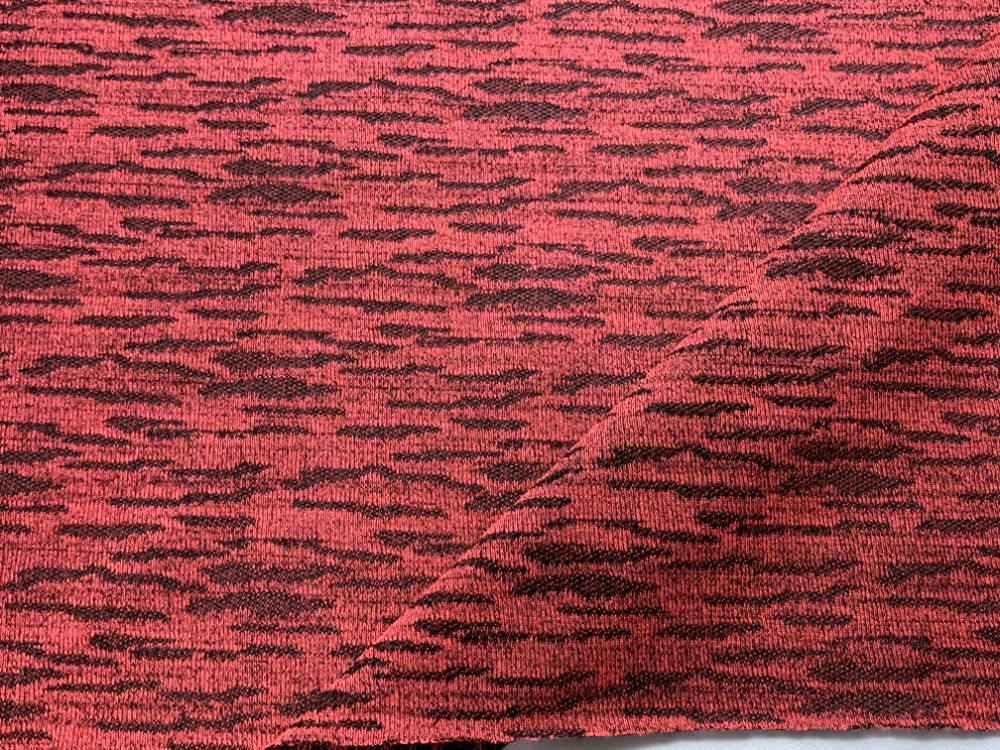
Far infrared cloth is a special cloth developed through research and development that can release or absorb far infrared radiation. (FIR, Far Infrared Radiation) is a type of electromagnetic wave with a longer wavelength and is located in the infrared region. These fabrics usually contain materials that can absorb and convert external heat energy and convert it into far-infrared radiation, thereby achieving health effects such as comfortable warmth, promoting blood circulation, and reducing muscle fatigue.
The principle of far infrared cloth
The working principle of far infrared cloth is to convert external heat into far infrared radiation through special materials inside the cloth (such as far infrared releasing materials or ceramic particles, etc.). These far infrared rays will be absorbed by the human body, and then stimulate the skin, muscles and circulatory system, helping to improve blood circulation, reduce muscle pain, accelerate metabolism, etc.
Common applications of far infrared cloth :
- Warm clothing :
Far infrared fabrics are often used to make warm clothing (such as far infrared underwear, knee pads, wrist guards, scarves, etc.) to help maintain body temperature and reduce discomfort caused by cold weather. These garments allow the body to absorb heat from the outside and convert it into mild far-infrared radiation, thereby enhancing the warmth-retaining effect.
- Health care :
Since far infrared rays can penetrate deep into the skin and promote blood circulation, this type of fabric is often used in health care products, such as far infrared mattresses, electric blankets, massage pads, etc. These products help relax muscles, reduce fatigue and relieve pain.
- Exercise and Rehabilitation :
Athletes and rehabilitators often use far-infrared cloth to help relax muscles and promote recovery. The thermal effect of far infrared rays relieves muscle soreness and joint discomfort, which is why it is used in sports braces (such as knee braces, ankle braces, etc.).
- Beauty and skin care :
Some beauty equipment or beauty clothing use the effect of far infrared rays to promote blood circulation, improve skin elasticity, reduce edema, etc.
- Health products :
Some traditional health products such as far-infrared health beds and health mats use this fabric to provide heat therapy, helping to relieve physical discomfort and promote physical and mental health.
Features of Far Infrared Fabric :
- Improve comfort :
Far infrared fabrics can provide a long-lasting sense of warmth without excessively increasing heat, and can maintain a comfortable body feeling.
- Promote health :
The far infrared radiation of this fabric can penetrate the skin, promote blood circulation, help relieve muscle fatigue, and play a certain role in muscle relaxation and joint protection during the recovery process.
- No radiation hazard :
Unlike general electromagnetic radiation, far infrared rays are natural thermal radiation, which is harmless to the human body and is considered beneficial to the human body.
- Durability and durability :
Far infrared cloth usually has high durability and stability, can maintain its thermal effect for a long time, and is not easy to lose its effect.
Main functions and advantages of far infrared fabrics :
- Promote blood circulation :
Far infrared rays can penetrate the skin to help improve blood circulation, which is helpful in relieving muscle fatigue and pain.
- Relieve joint pain :
Since the heat energy of far infrared rays can penetrate deep into the muscles and joints, this helps to reduce arthritis, muscle soreness and other discomforts.
- Improves metabolism :
Far infrared cloth is thought to stimulate cellular activity in the body, promote metabolism, help detoxify and reduce fat.
- Antibacterial and deodorizing effects :
Many far-infrared cloth materials have antibacterial functions, which can effectively inhibit the growth of bacteria and reduce odors.
- Improve sleep quality :
Far infrared cloth helps relax the body and mind, thereby improving sleep quality, for insomnia or anxiety symptoms.
- Comfort :
This type of fabric usually has softness and breathability, is very comfortable to wear, and can regulate body temperature, allowing the user to maintain the appropriate heat.
Far infrared cloth is commonly found in health-care clothing (such as heating vests and thermal underwear) and bedding. For people who need to sit in the office for a long time or feel muscle discomfort, using such products will have a certain soothing effect.
- Antistatic cloth
more
Antistatic cloth is a special cloth with antistatic properties that is researched and developed. It is mainly used to prevent or reduce the accumulation and discharge of static electricity. Static electricity is an imbalance of electric charges caused by friction or contact between objects. If these charges cannot be effectively released, they may cause damage to electrical equipment, spark burns, or discomfort to the human body.
Antistatic fabrics usually achieve the effect of static shielding or neutralization by adding conductive fibers or other special materials. They can effectively conduct or disperse static electricity, thereby avoiding problems caused by static electricity.
Application of antistatic cloth :
- Protection of electronic products :
Antistatic cloth is widely used in the packaging and transportation of electronic products, especially for static-sensitive electronic components (such as semiconductors, circuit boards, etc.). These fabrics can be used to protect electronic devices from damage caused by electrostatic discharge (ESD).
- Antistatic work clothes :
In workplaces such as electronics, semiconductors, and biomedicine that require a highly clean environment, employees usually wear antistatic work clothes (such as antistatic clothing, boots, and gloves) to prevent static electricity from interfering with or damaging equipment.
- Everyday clothing :
Antistatic ingredients are also added to some daily clothing and household items such as bed sheets and pillowcases, especially for those fibers that are prone to static electricity (such as polyester, nylon, etc.). These anti-static clothing can help reduce the discomfort caused by static electricity, such as clothing sticking to the skin or minor sparks when static electricity is discharged.
- Medical equipment :
Antistatic fabrics can also be used for antistatic protection of some medical equipment, such as the packaging of medical instruments, to prevent static electricity from causing adverse effects on the instruments.
- Automotive :
interior: Antistatic fabrics can effectively reduce static electricity accumulation caused by friction and improve driver comfort in the interior of the car, especially in seats, carpets and lining materials.
Features of antistatic cloth :
- Effectively prevent static electricity accumulation :
The main function of this fabric is to prevent the generation and accumulation of static electricity, protect electronic equipment and reduce the impact of static electricity on the human body.
- Conductivity :
Antistatic fabrics are usually embedded with conductive fibers or materials, which can effectively conduct away or evenly distribute static electricity, preventing static electricity from accumulating and becoming a source of danger.
- Improve safety :
For some special industries (such as semiconductor production, electronic assembly, etc.), antistatic cloth can significantly improve the safety of the production process and avoid damage to products caused by static electricity.
- Comfort :
Modern antistatic fabrics usually pay great attention to wearing comfort in material selection and design, especially when applied to clothing and household items, so as not to affect the wearer’s daily activities.
- Durability :
Antistatic fabrics are usually more durable and have a longer service life. Even with frequent washing, it maintains its anti-static properties.
Use and Maintenance :
- Cleaning precautions :
Antistatic cloth usually requires careful cleaning methods. Excessive friction or high-temperature cleaning may affect its conductive properties. It is usually recommended to use low temperature water for washing and avoid strong dehydration.
- Wearing and comfort :
Some antistatic fabrics may be slightly harder. When choosing clothes, pay attention to the softness of the fabric to ensure that you will not feel uncomfortable when wearing them for a long time.
Antistatic cloth has many practical applications in daily life, especially in protecting electronic devices and reducing discomfort caused by static electricity.
- Temperature regulating cloth
more

Temperature regulating fabric is a special fabric developed with the function of automatic temperature regulation, which can adjust its own temperature according to the external environment or the needs of the human body. The main function of this type of fabric is to keep the wearer comfortable in different environmental conditions, whether it is hot summer or cold winter, it can automatically adjust the body temperature.
How temperature regulating cloth works
Temperature regulating cloth generally uses certain specific materials or technologies to achieve the effect of controlling temperature. These materials typically have the following properties :
- Heat absorption and heat dissipation :
Some temperature-regulating fabrics can absorb excess heat and store it. When the outside environment becomes cold, they can release the stored heat; when the outside environment becomes hot, these fabrics will dissipate the excess heat to keep the wearer comfortable.
- Phase Change Materials (PCM) :
A material that can change its physical state according to temperature changes. When the ambient temperature is too high, these materials absorb heat and change from solid to liquid, helping to cool down; when the temperature drops, they release heat and return to solid, providing warmth.
- Breathability and evaporative heat dissipation :
Some temperature-regulating fabrics are designed to have good breathability, which can accelerate the evaporation of sweat in high-temperature environments and achieve a cooling effect; in cold environments, they can retain internal heat and provide a comfortable feeling.
- Thermally conductive materials :
Some fabrics use special thermally conductive fibers that can quickly conduct heat, helping to evenly distribute the temperature inside the clothing and avoid local overheating or overcooling.
Application of temperature regulating cloth :
- Smart clothing :
Temperature regulating fabrics are widely used in smart clothing, which can automatically adjust the temperature according to the wearer’s physical needs. For example, smart jackets, underwear, sportswear, etc. can keep the wearer comfortable in different environments.
- Outdoor sports equipment :
For outdoor activities such as mountaineering, skiing, and running, temperature-regulating fabrics can effectively cope with changing ambient temperatures, maintain the body’s comfort, and reduce health problems caused by high or low body temperature.
- Medical use :
Certain temperature regulating fabric materials are also used in medical equipment or protective gear. Especially during the rehabilitation process, these materials can provide patients with a stable body temperature and reduce the discomfort caused by changes in external temperature.
- Bedding :
Temperature regulating fabrics are also used in bedding, such as quilts, pillows, sheets, etc. These bedding products can help regulate the body temperature during sleep and improve sleep quality.
- Sports shoes and accessories :
In footwear products, temperature-regulating fabrics are often used to make insoles, uppers or socks. These products can adjust the temperature inside the shoes according to the needs during exercise and provide a comfortable wearing experience.
Features of temperature regulating cloth :
- Comfort :
The purpose of temperature regulating fabric design is to improve the comfort of the wearer, so that he can maintain a suitable body temperature in different environments and avoid overheating or overcooling.
- Automatic adjustment :
These fabrics can automatically adjust according to the external ambient temperature without relying on additional energy or equipment, making them easy to use and energy-saving.
- Environmental protection :
Many materials used in temperature regulating cloths, such as phase change materials (PCM), are environmentally friendly and have a long service life.
- Functionality :
In addition to temperature regulation, some temperature regulating fabrics also have functions such as breathability and moisture absorption and perspiration removal, further improving the comfort and practicality of wearing.
- Durability :
These fabrics are generally highly durable and maintain their temperature-regulating effects even after long periods of wear or multiple washings.
Precautions for use :
- Washing and Care :
The special materials of temperature regulating fabrics may change during the washing process, so you should follow the manufacturer’s instructions when washing and avoid high temperature washing or excessive friction.
- Choose the right fabric :
Different temperature-regulating fabrics have different application scenarios. For example, some fabrics are more suitable for cold environments, while others are suitable for hot summers. Choosing the right fabric according to usage requirements is the key.
Temperature regulating fabrics are widely used in many fields. Whether it is to improve the comfort of daily wear or to meet functional requirements in special environments, they can provide a very convenient and efficient solution.
- Moisture wicking fabric
more
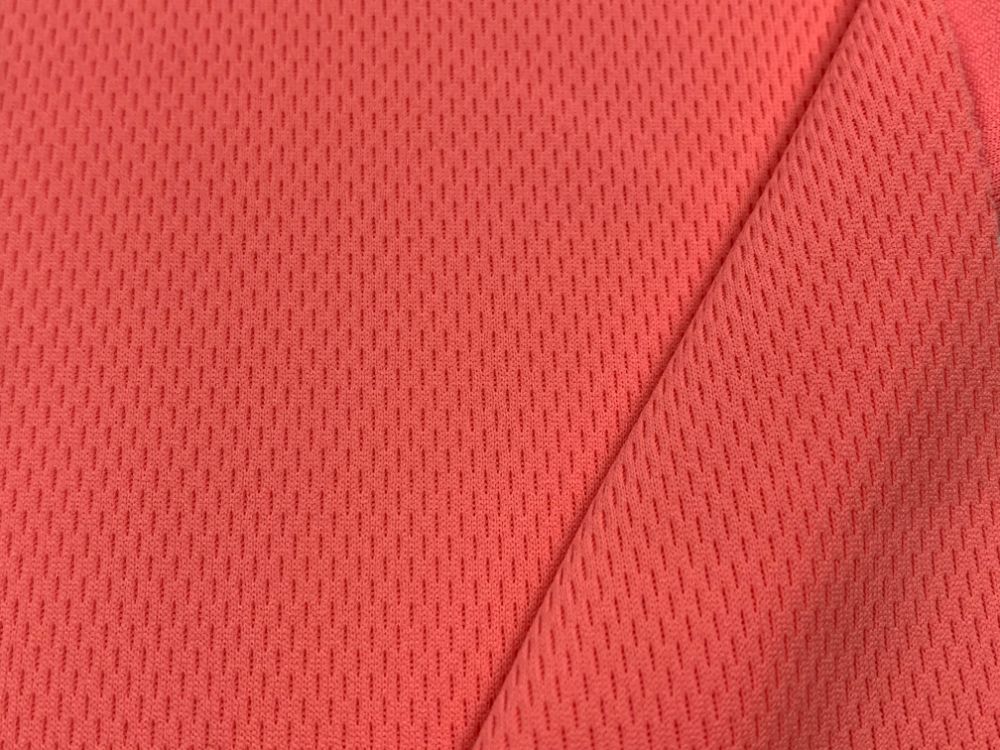
Moisture wicking fabric is a fabric that is designed to absorb human sweat and quickly discharge it to the outer layer. This fabric can absorb and disperse sweat from the skin’s surface, helping to keep the skin dry and preventing sweat from staying on the skin’s surface for a long time, thereby reducing discomfort caused by moisture, such as heat, stickiness or skin damage. Moisture wicking fabrics are commonly used in sportswear, outdoor activity clothing, underwear and other fields.
How moisture-wicking fabrics work
The basic working principle of moisture wicking fabric is to use a special fiber structure to quickly absorb sweat and diffuse it to the surface of the fabric, thereby accelerating the evaporation of sweat and keeping the skin dry. These fabrics are usually made from the following materials or techniques :
- Synthetic fibers :
such as (Polyester), (Nylon), etc. These fibers have excellent moisture absorption and can quickly absorb sweat and guide it outward.
- Fiber structure design :
Many moisture-wicking fabrics choose fibers with special structures. These structures help increase the surface area of the fabric, allowing it to absorb and discharge sweat more effectively.
- Moisture-wicking fibers :
Some moisture-wicking fabrics use natural fibers or high-tech fibers, which have excellent moisture-wicking properties and can quickly absorb sweat and prevent moisture accumulation.
- Ventilation holes and breathable design :
The fabric is designed with tiny pores or ventilation mesh, which helps to speed up the evaporation of sweat and keep the skin dry.
Application of moisture wicking fabric :
- Sportswear :
Moisture-wicking fabrics are widely used in sportswear, especially for high-intensity sportswear such as running, fitness, yoga, and mountaineering. These fabrics can keep the body dry during exercise, reduce friction and discomfort, and enhance the exercise experience.
- Outdoor activity clothing :
During outdoor activities, especially when exposed to the sun for a long time, moisture-wicking fabrics can keep the wearer dry and reduce the discomfort caused by moisture, especially in hot weather.
- Underwear and pajamas :
Moisture-wicking fabrics are also used in everyday clothing such as underwear and pajamas, which helps keep the body dry and reduces the feeling of moisture during sleep.
- Work clothes :
Some industries that require long working hours (such as construction, agriculture, factories, etc.) use moisture-wicking fabrics to make work clothes, which can improve the comfort of workers, especially in hot or humid environments.
- Sports shoes and socks :
Moisture wicking materials are not limited to clothing. They can also be applied to products such as sports shoes and socks to keep feet dry and reduce discomfort and foot diseases during exercise.
- Baby products :
Since babies have sensitive skin, many baby clothes and diapers are made of moisture-wicking fabrics to protect the baby’s skin from allergies or discomfort caused by moisture.
Features of moisture wicking fabric :
- Improved comfort :
Moisture-wicking fabrics can quickly remove sweat and accelerate evaporation, keeping the skin dry, thereby improving the wearer’s comfort, especially during exercise or in hot weather.
- Prevent bacterial growth :
Keeping it dry helps prevent bacteria from growing in moisture, thereby reducing the risk of odor or skin diseases.
- Lightweight and breathable :
These fabrics are usually light, soft and breathable, suitable for long-term wear without restricting movement.
- Quick drying :
Due to the moisture wicking design, these fabrics dry quickly after absorbing sweat, thus preventing the clothes from feeling wet for a long time.
- Durability :
High-quality moisture-wicking fabrics not only wick away sweat effectively, but are also generally durable enough to withstand repeated wear and washing.
Use and Maintenance :
- Washing and care recommendations :
Since moisture-wicking fabrics generally contain synthetic fibers, it is best to avoid using high-temperature water or excessive softener when washing to avoid affecting moisture absorption performance. Choose an appropriate washing method to avoid damaging the fabric structure.
- Avoid excessive friction :
When wearing sportswear or other moisture-wicking clothing, avoid excessive friction of the clothing, which will help extend its life and maintain its functionality.
The superior performance of moisture-wicking fabrics makes them popular in sports, daily wear and high-intensity work environments, especially for people who need to move for long periods of time or work in hot environments, such fabrics can effectively provide a comfortable experience.
- Sportswear Cooling Fabric
more
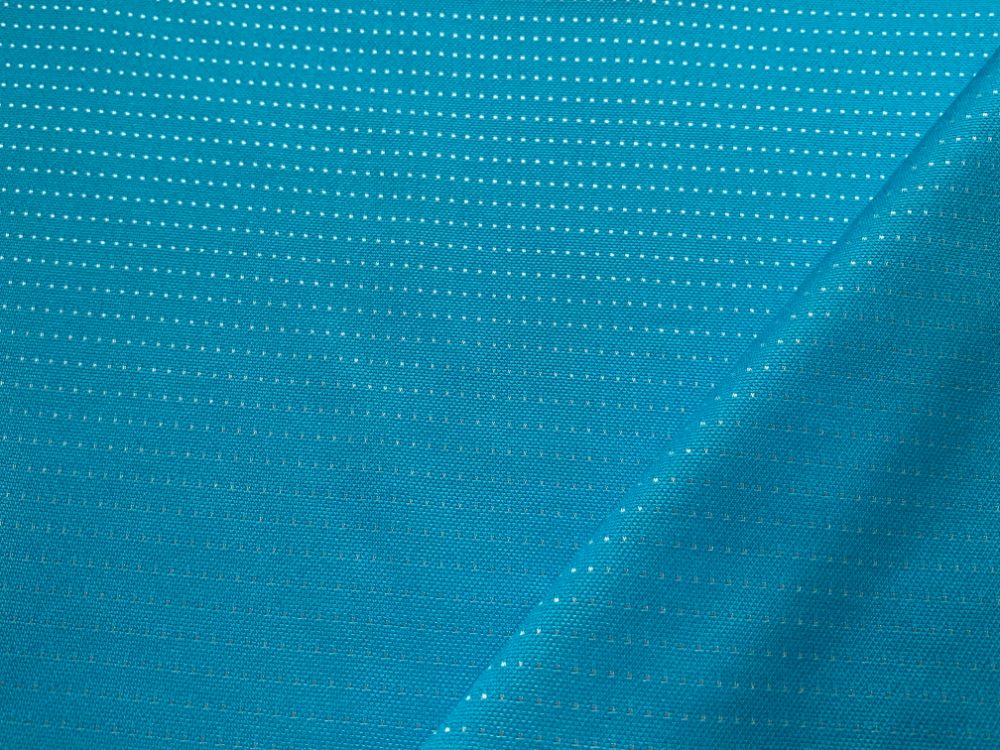
Cooling fabric for sportswear is a fabric specially designed for sportswear. Its main function is to provide the wearer with a cooling effect in high temperatures or during exercise, helping to maintain comfort. These fabrics are typically highly breathable, wick moisture away from the body, and provide a cool feeling during exercise, reducing discomfort caused by overheating during exercise.
The effect of cooling fabric
The cooling effect of cooling cloth mainly comes from two aspects: moisture absorption and quick drying , as well as certain special technologies or material designs.
- Moisture absorption and perspiration function :
Cool fabrics can quickly absorb sweat produced by the human body and discharge it to the surface of the fabric. This prevents sweat from staying on the skin and helps it evaporate quickly, thereby taking away heat from the skin’s surface and making the wearer feel cool.
- Breathability :
Cooling fabrics usually have good breathability, which allows air to circulate, promotes the evaporation of sweat, and helps dissipate heat, further improving the wearer’s comfort.
- Cool-touch materials :
Some cool-touch fabrics contain cooling technology or special cooling materials, such as microcapsule coolants. When the fabric touches the skin, these materials release cooling ingredients, immediately reducing the temperature difference between the clothing and the skin, creating a cool touch.
- Quick drying :
Cool fabric has excellent quick drying performance. Even if you sweat during exercise, it can quickly remove sweat from the skin surface and allow the clothes to dry quickly, avoiding the discomfort of dampness.
Application of Cooling Fabric
Cooling fabrics are often used in situations where the comfort and functionality of sportswear is required. Here are some common application areas :
- Sportswear :
Cool fabrics are widely used in sportswear such as running, fitness, yoga, mountaineering, and cycling. Because it can effectively improve comfort during exercise, reduce discomfort caused by overheating, and allow athletes to maintain their best condition.
- Outdoor activity equipment :
In outdoor activities such as hiking and camping, the breathability and cooling properties of cooling fabrics can help reduce fatigue and discomfort caused by hot weather.
- Summer clothing :
Many brands of summer sportswear and casual wear use cooling fabrics. These clothes can keep you cool in high temperature environments and are suitable for wearing in hot summer.
- Work clothes :
In some high-temperature working environments (such as construction sites, agricultural work, etc.), work clothes made of cool fabrics can effectively maintain the comfort of workers and reduce the impact of overheating on work efficiency.
- Underwear and sports bras :
Cooling fabrics are also used in underwear and sports bras, especially for female athletes who need to engage in high-intensity activities. This type of underwear can effectively help keep dry and provide additional cooling effects.
Features of Cooling Fabric :
- Provide a cool feeling :
The biggest feature of cooling fabrics is that they give people a cool feeling when worn, especially during exercise or in hot weather, keeping the wearer comfortable.
- Moisture absorption and perspiration management :
This type of fabric usually has excellent moisture absorption and perspiration management function, which can quickly absorb sweat and accelerate evaporation, preventing sweat from sticking to the skin and keeping it dry.
- High breathability :
Cool fabrics are very breathable, which can promote air circulation and help release heat and moisture quickly.
- Quick drying :
Cool fabric can quickly evaporate absorbed sweat, keeping clothes dry and avoiding the feeling of clothes being wet for a long time.
- Comfort and elasticity :
Many cooling fabrics also have good elasticity, which can provide the flexibility required for activities, and the material is soft and comfortable to wear.
- Lightweight :
Cooling fabrics are usually light and will not cause excessive burden, making them suitable for long-term wear.
Use and Maintenance :
- Cleaning Recommendations :
Cool fabrics usually need to be cleaned with care. Water that is too hot or strong detergents may affect the performance of the fabric. It is recommended to wash according to the manufacturer’s instructions and avoid using too much softener or strong laundry detergent.
- Avoid prolonged exposure to high temperatures :
Prolonged exposure to sunlight may degrade the performance of cooling fabrics, so avoid exposing these garments to strong sunlight for a long time.
- Regular inspection :
If clothing begins to show signs of reduced moisture wicking performance, it may be that the surface structure of the fabric has changed and needs to be replaced.
Cooling fabrics provide ideal comfort for hot summer days or high-intensity exercise, helping the wearer stay dry, cool and improve athletic performance.
- Antibacterial deodorizing cloth
more
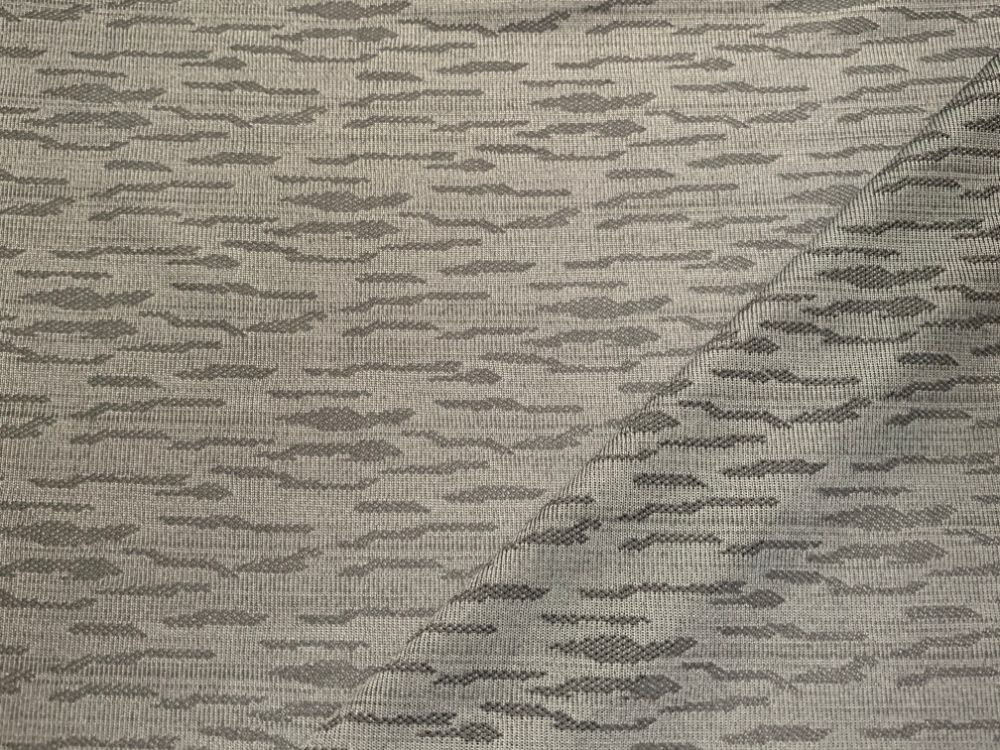
Antibacterial and deodorizing cloth is a special cloth developed with antibacterial and deodorizing functions. It is usually used in clothing, sports equipment, bedding, underwear and other fields. This fabric can effectively inhibit the growth of bacteria, thereby reducing odor and skin discomfort caused by bacteria, keeping clothes fresh and dry. Antibacterial and deodorizing fabrics are widely used in situations where they need to be worn or used for long periods of time, especially in sports, outdoor activities, and daily wear in high temperature environments.
The working principle of antibacterial deodorizing cloth
The working principle of antibacterial deodorizing cloth is usually achieved in the following ways :
- Antibacterial treatment :
Antibacterial fabrics are usually added with antibacterial agents or antibacterial fibers during the manufacturing process or through post-treatment. These antimicrobial ingredients can inhibit or kill bacteria on the surface or in the fibers of clothing, thereby reducing bacterial growth. Common antibacterial ingredients include silver ions, zinc, copper and other metal elements. These ingredients have antibacterial effects and can destroy the cell structure of bacteria and inhibit their reproduction.
- Deodorizing effect :
The deodorizing function of antibacterial fabrics is usually achieved by reducing the growth of bacteria. Bacteria are the main cause of odor. When sweat and oils from the skin come into contact with bacteria, they break down these substances, creating an unpleasant smell. Antibacterial deodorizing cloth can inhibit the growth and reproduction of bacteria, reducing the generation of odor from the source.
- Moisture wicking :
Many antibacterial and deodorizing fabrics also have moisture wicking functions, which can quickly absorb sweat and discharge it, keeping clothes dry, thereby reducing the chance of bacteria breeding due to sweat accumulation. A dry environment helps reduce odor and keeps the wearer feeling fresh.
- Special fibers or textile technology :
Some fabrics use special textile technology or materials to increase their antibacterial properties, such as using fibers with antibacterial functions (such as silver fibers), or using nanotechnology to fix antibacterial substances on the fiber surface to enhance its antibacterial ability. These technologies make fabrics more effective in resisting the growth of bacteria, fungi and other microorganisms.
Application of antibacterial deodorizing cloth :
- Sportswear :
Sportswear is often the main application area of antibacterial and deodorizing fabrics, especially after high-intensity exercises such as running, fitness, and yoga, clothes are easily soaked and breed bacteria. Antibacterial and deodorizing fabrics can effectively inhibit the growth of bacteria, reduce sweat and odor, and keep athletes comfortable and dry.
- Outdoor activity equipment :
During outdoor activities such as mountaineering, camping, hiking, etc., long-term exercise and sweat can cause odor. Antibacterial and deodorizing fabrics can reduce these problems, keeping clothes fresher and more comfortable during activities.
- Clothes and pajamas :
Underwear and pajamas are clothes that come into contact with the skin for a long time. Antibacterial and deodorizing fabrics can effectively prevent bacterial growth, keep the skin fresh, and reduce odor problems.
- Bedding :
Some bedding such as sheets and pillowcases also use antibacterial deodorizing cloths, which not only prevent the growth of bacteria and mold, but also keep the bedding fresh.
- Work clothes :
In certain work environments where clothes need to be worn for long periods of time, such as construction sites, catering industry, and medical industry, antibacterial and deodorizing fabrics can reduce the odor of clothes and maintain the comfort of the wearer.
- Shoes and socks :
Shoes and socks are places where bacteria and odors easily breed. Antibacterial and deodorizing fabrics are used to make sports shoes, work shoes, and socks, etc., which can effectively control odors and keep your feet fresh.
Features of antibacterial deodorizing cloth :
- Strong antibacterial properties :
Antibacterial and deodorizing fabrics can effectively inhibit the growth of microorganisms such as bacteria and fungi, reduce the generation of odors, and keep clothes fresh.
- Deodorizing effect :
By inhibiting bacterial growth, antibacterial cloth can usually reduce the odor caused by bacteria decomposing substances such as sweat.
- Keep dry :
Many antibacterial and deodorizing fabrics also have moisture wicking functions, which can quickly absorb sweat and discharge it, keeping the wearer dry and preventing the humid environment from becoming a breeding ground for bacteria.
- High durability :
The antibacterial effect of this type of fabric usually remains effective after multiple washings, so it is not easy to fade or lose its effectiveness and is suitable for long-term use.
- Comfort :
Antibacterial and deodorizing fabrics tend to be soft and elastic, comfortable to wear, and suitable for long-term activities or wear.
- Environmental protection and health :
Some antibacterial treatment methods use natural substances, such as silver, bamboo charcoal, etc. These materials not only have strong antibacterial effects, but also provide additional breathability and anti-allergic properties, making them more skin-friendly.
Use and Maintenance :
- Washing recommendations :
Antibacterial and deodorizing fabrics can usually withstand multiple washes, but after long-term use, the antibacterial effect may be reduced. Therefore, it is recommended to replace them regularly or wash them according to the washing instructions, and avoid washing with high-temperature water or using strong detergents.
- Avoid excessive friction :
Excessive friction may cause the loss of antibacterial substances. It is recommended to avoid excessive friction on the surface of the fabric when washing and wearing.
- Keep dry :
Although antibacterial deodorant cloth can effectively wick away sweat and keep you dry, prolonged exposure to a humid environment may still cause its antibacterial effect to decrease. It is recommended to keep the clothes dry and change them regularly.
The unique function of antibacterial deodorizing cloth makes it an ideal choice for daily life, especially for sports, outdoor activities and high temperature environments.
- Waterproof and breathable fabric
more
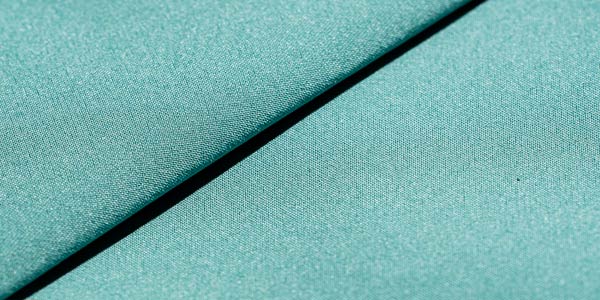
Waterproof breathable fabric is a special fabric developed with dual characteristics – waterproof and breathable. It is often used in outdoor equipment, sportswear, rain gear and other fields. This fabric prevents moisture from seeping in, keeping the wearer dry, while also allowing body moisture (such as sweat) to escape, keeping the wearer comfortable. Waterproof and breathable fabrics are very popular for outdoor activities, extreme sports, and everyday rainy day wear.
How waterproof and breathable fabric works
- Waterproofness :
The waterproofness of waterproof and breathable fabric comes from special treatment of the surface or inner layer of the fabric. These treatments usually involve the use of a water-repellent coating or membrane, which allows the fabric to effectively block the penetration of water. For example, films made of polyurethane (PU) or polytetrafluoroethylene (PTFE) can completely seal the fiber structure of the fabric and prevent liquids such as rain and snow from entering.
- Breathability :
Breathability is an important feature of waterproof and breathable fabric. It allows body moisture (such as sweat) to escape through the fabric, preventing sweat from accumulating inside the garment, keeping you dry and comfortable. Breathability is usually achieved by the microporous structure of the fabric or a breathable film. For example, PTFE membranes (like Gore-Tex) have tiny pores that are small enough to block water droplets but large enough to let water vapor (sweat) molecules pass through.
- Hierarchical structure :
Waterproof and breathable fabrics are generally composed of a multi-layer structure. The outer layer is usually made of a durable waterproof material, while the inner layer is made of a breathable membrane or fabric, and there may be an additional protective layer in between the two layers. This construction not only guarantees waterproofing but also breathability, preventing moisture and sweat from accumulating inside the garment.
Application of waterproof and breathable fabric :
- Outdoor sportswear :
Waterproof and breathable fabrics are commonly used in outdoor sportswear such as mountaineering, hiking, and skiing. These activities often need to be carried out in wet or cold environments, and waterproof and breathable fabrics can ensure that athletes stay dry in rain, snow, or high humidity environments.
- Rain gear :
Waterproof and breathable fabrics are widely used in rain gear such as raincoats, umbrellas, and rain pants. The main function of these rain gears is to be waterproof and still remain breathable during long periods of use, preventing users from feeling stuffy in humid environments.
- Work clothes :
In some special working environments, such as construction sites, firefighting, and rescue, work clothes need to be waterproof and breathable. The waterproof and breathable fabric can prevent the intrusion of external moisture while maintaining internal comfort, avoiding the feeling of stuffiness caused by wearing work clothes for a long time.
- Sports shoes :
Waterproof and breathable fabrics are also commonly found in outdoor shoes. These shoes can effectively prevent moisture from entering the shoes and allow internal moisture to escape, ensuring that the wearer’s feet are dry and comfortable.
- Sleeping bags and tents :
Waterproof and breathable fabrics are often used in outdoor sleeping bags, tents and other equipment. These equipment usually need to withstand the challenges of humid weather outside while keeping the inside dry and ventilated.
- Everyday outerwear :
Some outerwear designed with waterproof and breathable functions in mind, such as waterproof jackets and windbreakers, are suitable for everyday wear, especially in rainy or changeable weather, as they are both waterproof and keep the wearer comfortable.
Features of waterproof and breathable fabric :
- Strong waterproof performance :
Waterproof and breathable fabric can effectively prevent moisture penetration, keep the wearer from being invaded by rain, snow or other liquids, and prevent clothes from getting wet.
- Breathability :
Despite their waterproof properties, these fabrics remain breathable, allowing sweat and moisture from the body to escape, avoiding the feeling of stuffiness in high humidity environments.
- Comfort :
Breathability not only keeps the wearer dry, but also helps regulate body temperature, allowing the wearer to stay comfortable during exercise or long periods of outdoor activities.
- Durability :
Waterproof and breathable fabrics are generally highly durable and can withstand the wear and tear of long-term use and the challenges of the external environment, making them suitable for outdoor and high-intensity sports.
- Light and soft:
This type of fabric is usually light and soft, and will not put too much burden on the body when worn, making it convenient for exercise or long-term wearing.
- Versatility :
In addition to being waterproof and breathable, some waterproof and breathable fabrics may also have additional functions such as wind resistance and UV protection, which enhances the versatility of outdoor clothing.
Care and maintenance of waterproof breathable fabric :
- Cleaning :
When cleaning the waterproof and breathable fabric, be careful to avoid using too strong detergents or softeners, as these chemicals may destroy the effect of the waterproof membrane. It is recommended to use a special cleaning agent to protect the waterproof function.
- Reprocessing waterproofing :
With increasing use, waterproof breathable fabrics may lose some of their waterproof properties. At this time, you can repair it with a waterproof spray or re-treatment agent to restore its waterproof performance.
- Drying :
After cleaning, it is best to air dry the waterproof breathable fabric or dry it at low temperature to avoid high temperature drying that damages the structure of the material and reduces the waterproof effect.
- Avoid friction :
Avoid frequent friction between the waterproof and breathable fabric and the rough surface, so as to maintain the integrity of the waterproof membrane and prevent damage.
Waterproof and breathable fabric is an essential functional material for many outdoor activities and special environments. It provides excellent waterproof performance to prevent external moisture from penetrating, while being breathable to allow sweat and moisture to be discharged, keeping the wearer dry and comfortable.
- Fireproof cloth
more
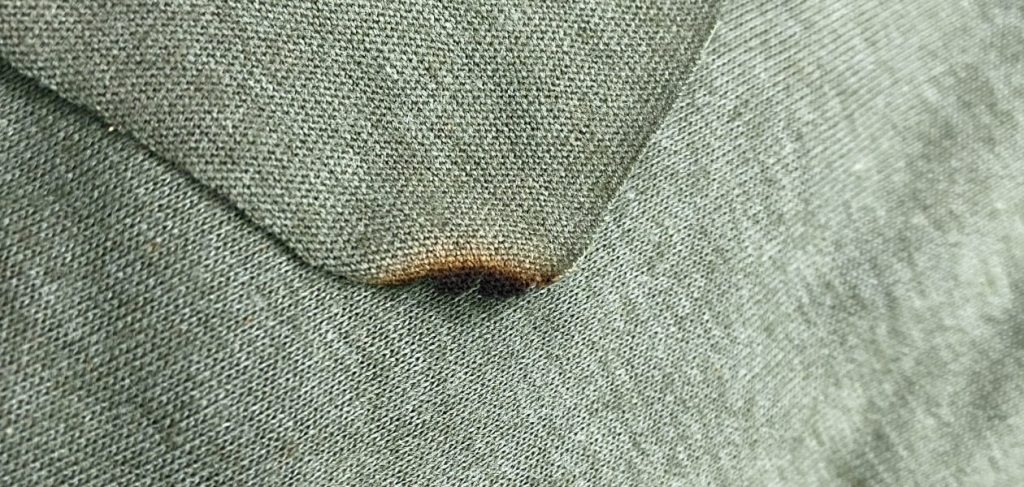
Fireproof cloth is a kind of cloth that has been specially treated or made of special fibers to prevent the damage of flames or high temperatures and reduce the spread of fire sources in combustion or fire. The main characteristics of this fabric are its ability to resist flame or high temperature, and to a certain extent slow down the spread of flame, thus protecting the safety of personnel and equipment. Fireproof fabrics are widely used in many high-risk environments, especially in situations where high temperature resistance is required, such as firefighting, industry, construction and other fields.
The main function of fireproof cloth
- Flame retardant :
The basic function of fireproof cloth is to prevent the spread of flames. When the fabric is exposed to a fire source, it does not burn immediately, but is able to resist for a certain period of time, reducing the risk of fire. It is usually chemically treated or uses special materials to achieve fire resistance.
- High temperature resistance :
Fireproof cloth has high heat resistance and can withstand use in high temperature environments without being damaged. It is suitable for high temperature working environments.
- Reduce the spread of flames :
Fireproof cloth can effectively slow the spread of flames, protect the surface of objects from being burned, and reduce the damage caused by fire.
- Heat insulation :
Some fireproof fabrics also have a certain heat insulation effect, which can effectively prevent the transfer of high temperature and protect users from harm caused by excessive temperature.
Characteristics of fireproof cloth :
- Fire retardancy :
The biggest feature of fireproof fabric is that it can effectively resist flames or high temperatures, preventing the flames from spreading or burning through the fabric.
- High temperature resistance :
This type of fabric can work in high temperature environment for a long time and maintain its complete structure and function.
- Resistance to molten metal and sparks :
Some fireproof fabrics can resist the erosion of high-temperature molten metal, which is particularly important for industries such as steel and metallurgy.
- Strong durability :
Fireproof cloth is generally highly durable and can withstand frequent use and cleaning.
- Comfort :
Some fire-resistant fabrics pay special attention to comfort and reduce the wearer’s fatigue, especially when they need to be worn for a long time.
- Long-lasting flame retardancy :
Fire-resistant fabrics are usually specially treated so that they can maintain good fire retardancy after multiple washings.
Fireproof fabric is a key safety protection material, widely used in environments that need to resist high temperature or flame. Whether it is firefighting clothing, industrial protective clothing, or in the fields of shipbuilding, aviation, etc., fireproof cloth can effectively protect personnel from fire or high temperature damage and ensure the safety of the working environment.
- Abacell Paper Gauze
more
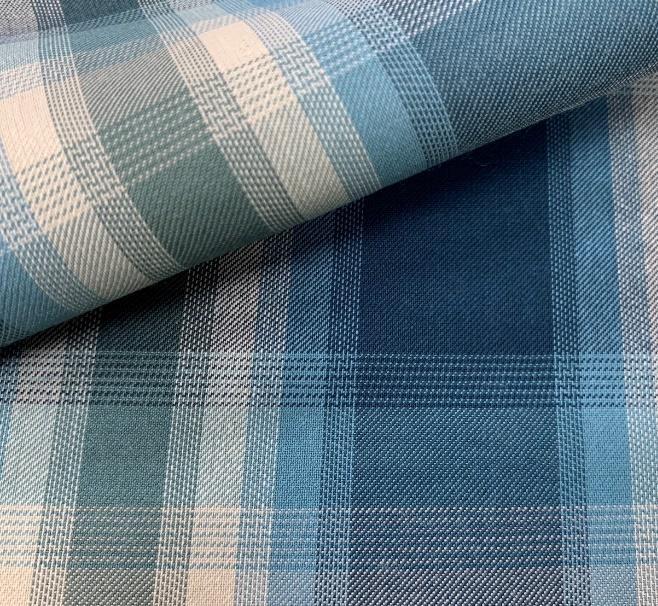
Abacell is a plant fiber-based material developed by research and development, mainly made of natural fibers (such as wood pulp or plant fibers). It is a high-performance nonwoven fabric commonly used in medical, industrial and other fields requiring high performance.
characteristic :
- High strength :
Abacell has high strength and durability and is suitable for use in environments that need to withstand certain mechanical stress.
- Water absorption :
Due to its natural fiber composition, Abacell generally has excellent water absorption and is suitable for use in moisture absorption, water filtration, etc.
- Breathability :
This material has good breathability and is suitable for making products that need to remain breathable, such as medical dressings.
- Biodegradability :
Since Abacell is mainly made of natural fibers, it has good biodegradability and has little impact on the environment.
application :
- Medical industry :
Abacell can be used to make medical dressings, wound covering materials, filter cloth, etc.
- Filter material :
Its high water absorption and filtering performance make it used in fields such as water treatment and air filtration.
- Hygiene products :
Abacell is also commonly used in the production of certain hygiene products, providing comfort and moisture absorption effects.
Abacell is a high-performance nonwoven material, usually made from natural plant fibers, with good water absorption and air permeability. It is often used in the medical industry, filter materials and hygiene products.
It is a lightweight and breathable material that is mainly used in the medical field, especially in bandages and dressings, providing comfortable breathability and water absorption.
 Jiunfab